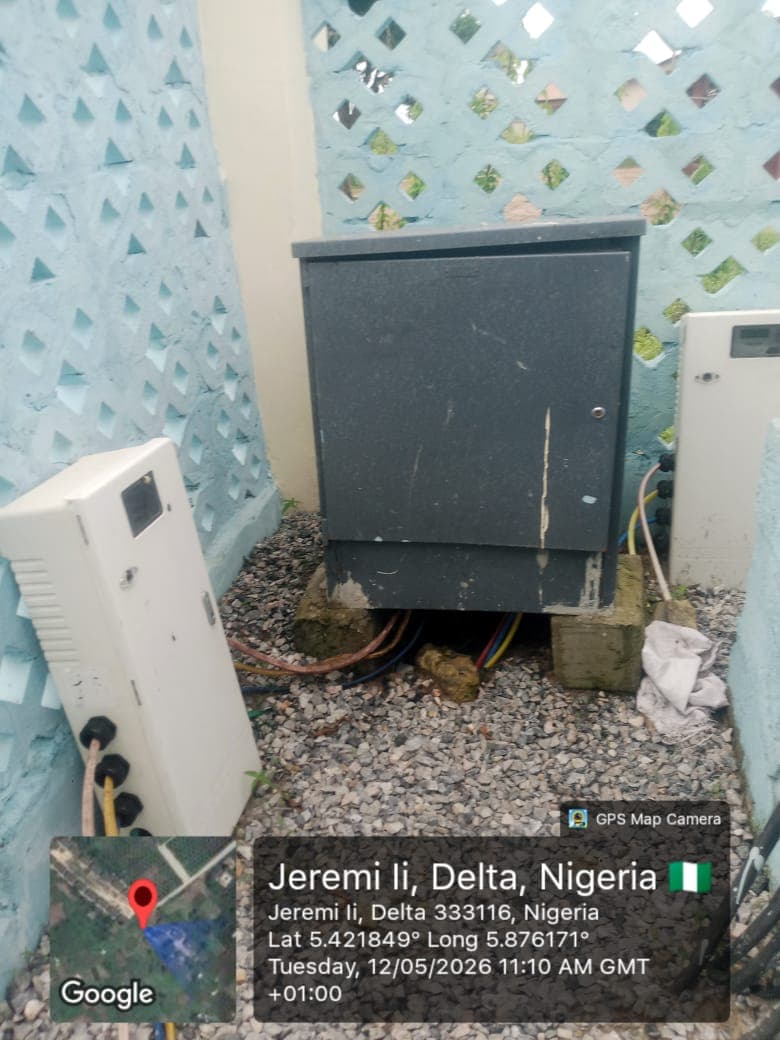
Earthing system testing checks whether a grounding system is still safe and effective. A system that looked good during installation can become weak because of corrosion, loose connections, soil changes, construction activity or poor maintenance. Testing helps property owners and facility managers confirm that fault current has a safe route to ground.
Why earthing systems should be tested
Testing protects people, equipment and operations. If a building, generator or transformer has poor grounding, faults may not clear properly and metal surfaces can become dangerous. Regular testing also helps clients plan maintenance before small problems become expensive failures.
Deabove provides testing of earthing systems and can also support earthing system installation where improvement is needed.
When should testing be done?
| Situation | Why testing is important |
|---|---|
| After new installation | Confirms the system performs as intended. |
| Before commissioning a transformer | Helps verify safety before energizing. |
| After generator installation | Checks grounding for standby power systems. |
| After renovation or expansion | New load and wiring can affect safety. |
| After lightning, flooding or construction disturbance | Conditions may have changed underground. |
| During routine facility maintenance | Builds a safety and compliance record. |
What should a good test report include?
- Location tested.
- Test method used.
- Earth resistance readings.
- Continuity observations.
- Condition of visible conductors and joints.
- Defects, risks or improvement recommendations.
- Date and responsible technician or contractor.
Practical maintenance schedule
| Facility type | Suggested testing rhythm |
|---|---|
| Homes and small offices | Periodically or after major electrical work. |
| Commercial buildings | At least annually as part of facility checks. |
| Generator sites | After installation and during maintenance cycles. |
| Transformer points | Before commissioning and during scheduled inspection. |
| Industrial facilities | More frequently due to higher load and risk. |
What happens if testing fails?
A poor reading does not always mean the whole system must be replaced. Sometimes the issue is loose bonding, corroded joints, damaged conductors or poor contact with soil. A qualified team can inspect, recommend corrections and retest. Deabove can review the site and advise whether repair, improvement or full reinstallation is needed.
FAQs
What is an earth resistance test?
It is a test used to measure how effectively an earthing system can discharge current into the ground.
Can I rely on an old earthing system?
Only if it has been inspected and tested. Age, corrosion and site changes can reduce performance.
Should earthing be tested before transformer installation?
Yes. Transformer projects should include earthing checks before commissioning.
Does Deabove provide testing reports?
Deabove can inspect, test and document findings so clients can plan maintenance or corrective work.
How do I request earthing testing?
Use the book appointment page or contact Deabove.
For safer facilities, schedule an earthing test before faults expose the weakness.