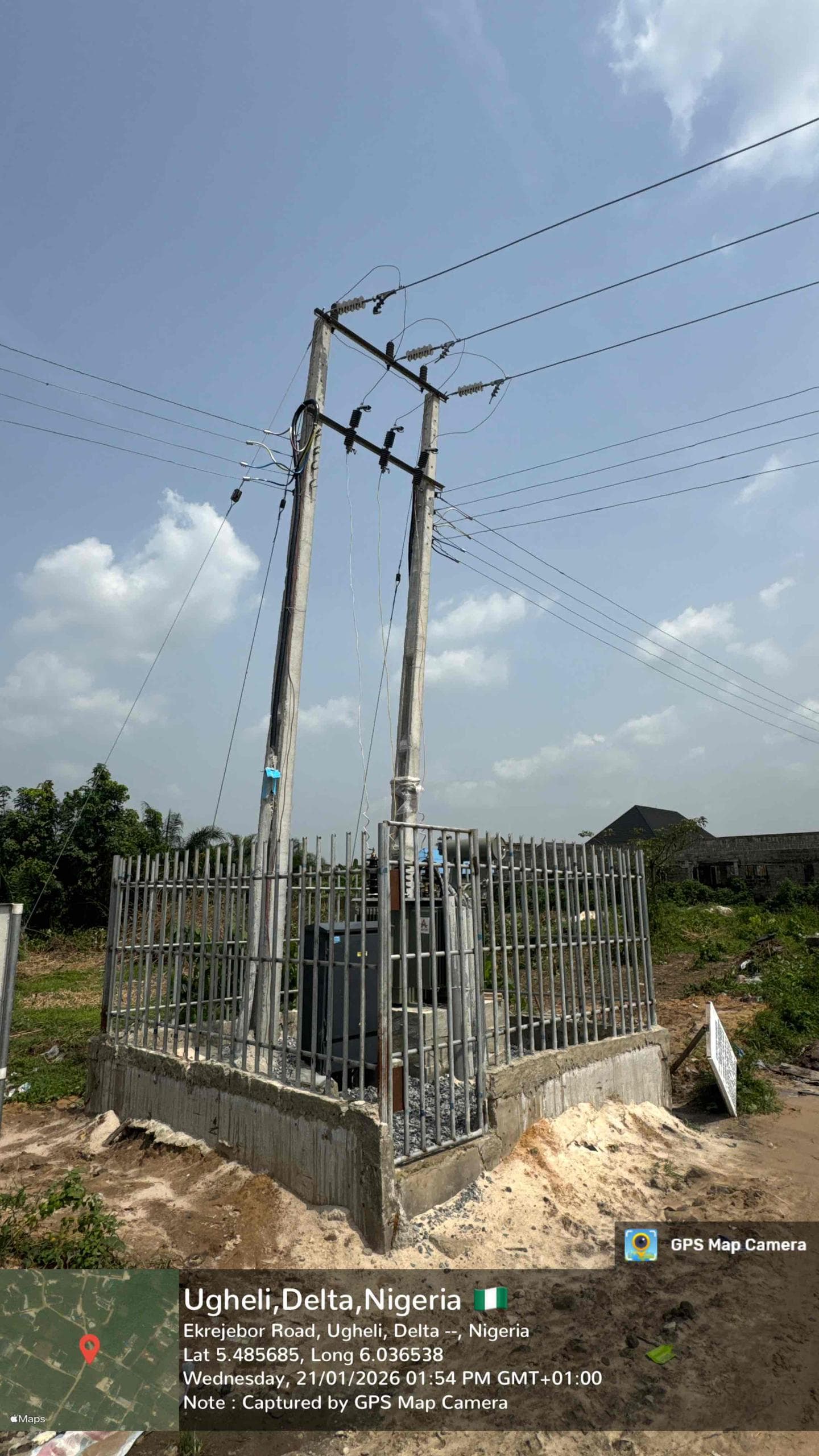
Overhead power line construction requires planning before poles are set or conductors are installed. Communities, estates and institutions should consider route planning, safety clearances, pole positions, conductor selection, weather exposure, approvals, supervision and testing. A poorly planned line can create safety hazards and future maintenance problems.
Why planning matters
Overhead lines are visible and exposed infrastructure. They pass through spaces used by people, vehicles, buildings and vegetation. Planning helps reduce risk and improves long-term reliability.
Deabove provides construction of overhead power lines and can connect this with transformer, earthing and power house planning.
Readiness checklist
| Area | What to confirm |
|---|---|
| Route | Is the path safe, accessible and practical? |
| Poles | Are pole locations stable and properly spaced? |
| Conductors | Are materials suitable for the expected load? |
| Clearances | Are buildings, roads and trees considered? |
| Transformer connection | Is the source equipment ready? |
| Earthing and protection | Are safety systems planned? |
| Testing | Will the line be inspected before use? |
Common risks
- Lines too close to buildings or trees.
- Weak poles or poor foundation.
- No maintenance access.
- Poor coordination with transformer installation.
- Lack of safety signage or community awareness.
- Inadequate inspection before energizing.
Who needs overhead line construction?
Residential estates, community electrification projects, schools, factories, churches, farms and commercial facilities may need overhead line work when power must be distributed across a site or connected from a transformer.
Why Deabove’s field activity matters
Overhead lines require real site work. Deabove’s project gallery includes photos from field locations showing pole and power infrastructure activity. This practical experience helps clients discuss projects with clearer expectations.
FAQs
Can an estate build overhead power lines?
Yes, but it should be planned and supervised by qualified electrical professionals with proper safety considerations.
Are approvals needed?
Requirements depend on location, connection type and relevant authorities. Clients should clarify approval needs early.
Should overhead lines be inspected after installation?
Yes. Inspection and testing should happen before use.
Can overhead lines connect to a transformer?
Yes. Many projects require coordination between transformer installation and line construction.
How can I request a site review?
Use book appointment or contact Deabove.
Plan overhead lines carefully so the community gains power without creating avoidable hazards.