Lightning arrester installation helps protect buildings and equipment by giving lightning energy a planned route to ground. For schools, churches, hotels, homes, offices, estates and industrial sites, lightning protection should be planned together with earthing. A visible arrester without effective grounding is not enough.
How lightning protection helps
Lightning can damage electrical systems, roof structures, communication devices, generators, panels and sensitive equipment. A proper system is designed to intercept, conduct and safely discharge lightning energy. That means the arrester, down conductors, bonding and earthing system must work together.
Deabove provides installation of lightning arrestors and related earthing system installation.
Buildings that should consider lightning arresters
| Building type | Why protection may be needed |
|---|---|
| Churches and schools | Large roof areas and high occupancy. |
| Hotels and event centres | People, equipment and business continuity risks. |
| Residential estates | Shared infrastructure and exposed roofs. |
| Industrial facilities | Machinery, controls and production downtime risks. |
| Offices and institutions | Computers, servers and electrical panels. |
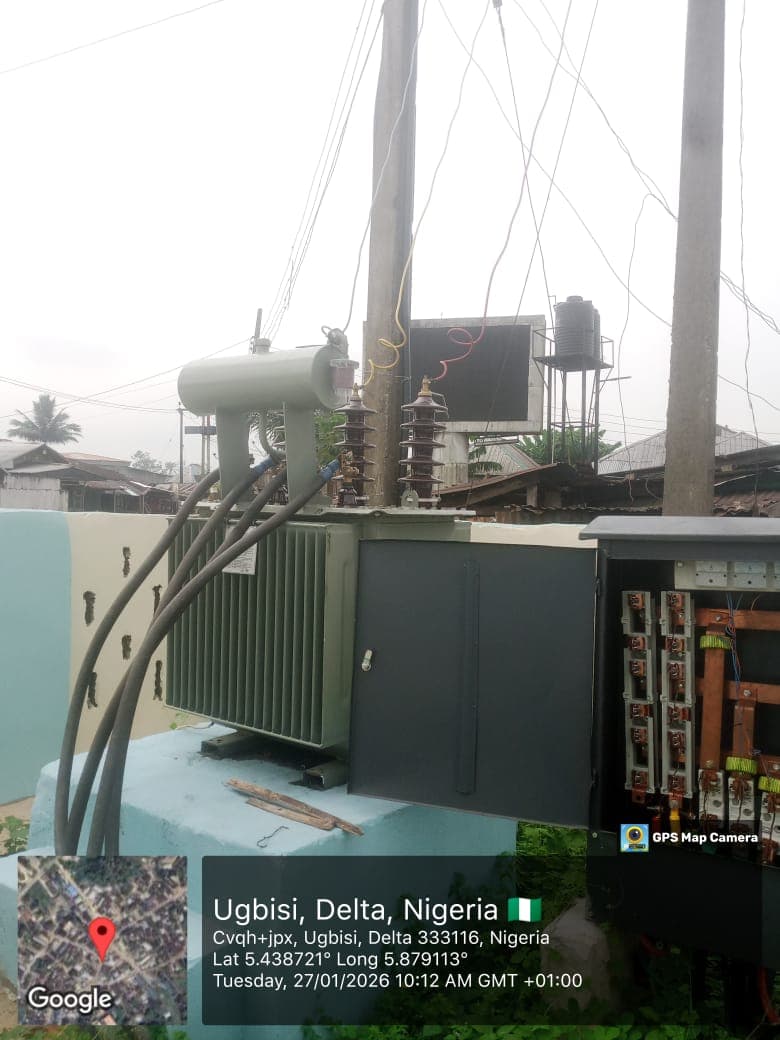
| Sites with transformers or generators | Power assets need coordinated protection. |
Building readiness checklist
- Inspect roof height, roof material and exposed structures.
- Identify electrical panels, generators, transformers and sensitive equipment.
- Confirm earthing condition before installation.
- Plan conductor route to avoid unsafe contact points.
- Use suitable materials for the environment.
- Test and document the system after installation.
Common mistakes to avoid
- Installing a rod without proper grounding.
- Ignoring bonding between metal structures.
- Using poor quality conductors or clamps.
- Failing to inspect after storms or roof work.
- Treating lightning protection as decoration instead of safety infrastructure.
Maintenance after installation
A lightning protection system should be inspected periodically. Connections can loosen, conductors can corrode and earthing performance can change. If a building has been hit by lightning, inspected after roof repair or expanded with new equipment, the system should be checked again.
FAQs
Is a lightning arrester the same as surge protection?
No. A lightning arrester handles external lightning energy, while surge protection devices help protect circuits and equipment from voltage surges.
Does a lightning arrester need earthing?
Yes. Without effective earthing, the system cannot safely discharge energy.
Who needs lightning protection most?
Tall, exposed, high-occupancy or equipment-heavy buildings should take lightning protection seriously.
Can Deabove inspect an existing system?
Yes. Deabove can inspect, advise and support installation or improvement.
Where should I start?
Start with an inspection through the book appointment page.
To improve building safety, contact Deabove for lightning protection planning.