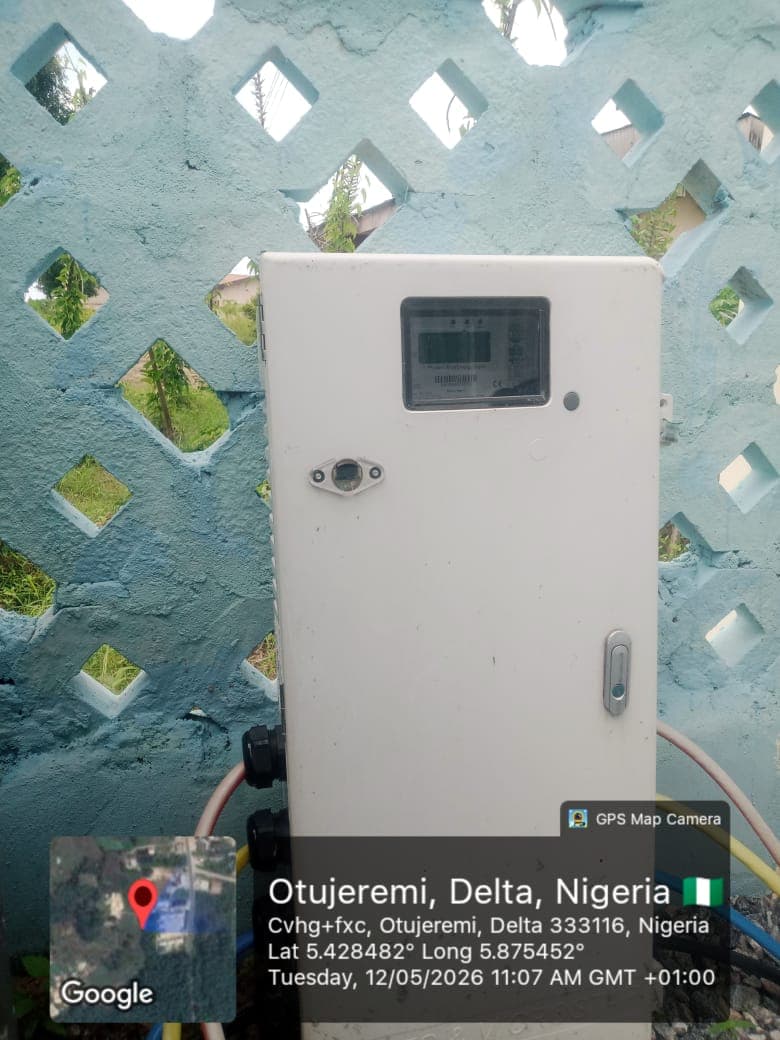
Earthing system installation gives unwanted electrical current a safe path to the ground. Without proper grounding, a building, transformer, generator or electrical panel can become unsafe during faults, surges or lightning-related events. In Nigeria, where facilities often depend on generators, transformers and mixed power sources, earthing should be treated as a core safety system, not an optional extra.
What does an earthing system do?
An earthing system helps reduce shock risk, protects equipment and supports the operation of protective devices. When there is a fault, the system directs dangerous current away from people and sensitive assets. This matters in homes, offices, estates, schools, churches, industrial sites and transformer points.
Deabove provides installation of earthing systems and testing of earthing systems for clients who need safer electrical infrastructure.
Where is earthing needed?
| Location | Why earthing matters |
|---|---|
| Residential buildings | Reduces shock risk and protects appliances. |
| Offices and commercial buildings | Protects people, computers, panels and equipment. |
| Generator installations | Supports safe operation and fault protection. |
| Transformer points | Helps manage fault current and system stability. |
| Lightning protection systems | Works with arrestors to discharge energy safely. |
| Industrial facilities | Protects machines, controls and operators. |
Signs of poor grounding
- Mild shock when touching metal equipment.
- Frequent damage to appliances or electronics.
- Breakers tripping without clear explanation.
- Unstable generator or transformer performance.
- No recent earthing test record.
- Visible corrosion, loose connections or damaged conductors.
Earthing installation checklist
- Assess the building, equipment and power source.
- Choose suitable earthing materials for the environment.
- Install earth electrodes, conductors and bonding points correctly.
- Connect panels, generators, transformers or protected systems.
- Test resistance and continuity after installation.
- Keep records for future maintenance and inspections.
Why professional installation matters
Earthing is not just burying a rod in the ground. Soil condition, material quality, connection integrity, corrosion risk, load type and testing all affect performance. A weak earthing system can give false confidence while leaving the facility exposed.
Deabove’s field experience across power infrastructure, transformer installations and site work helps clients plan earthing as part of the complete electrical system. You can view related project activity on the gallery page.
FAQs
Is earthing required for every building?
Every modern electrical installation should include safe grounding suited to the building and equipment it serves.
Do generators need earthing?
Yes. Generator installations should include proper earthing, cabling and protection planning.
Is transformer earthing different from house earthing?
The principle is similar, but transformer earthing requires professional design, installation and testing because the risk level is higher.
How often should earthing be tested?
Testing should be done after installation, after major electrical work, after suspected faults and periodically as part of maintenance.
Can Deabove install and test earthing systems?
Yes. You can book an inspection or installation appointment with Deabove.
Need grounding support? Contact Deabove for earthing installation or testing.